
Adventures at Mountain Sky Guest Ranch weave into the rhythms of Yellowstone Country’s diverse ecosystem and its wildlife. Awaken each day to the sound of nesting songbirds. Peer from your window before breakfast to watch chipmunks and squirrels scampering through the trees. View mule deer munching on the lawn as you make your way to breakfast.
Soar with raptors on the challenge course, or view bluebirds nesting at Rising Sun Golf Course. As dusk arrives, spot predators like fox hunting for their evening meal. As you relax into vacation mode and slow your pace, your world will open to gentle encounters with “the locals.” Our secluded, high valley is a thoroughfare for the Greater Yellowstone Area’s migrating wildlife.
Meet the Locals: Marquee Species of Paradise Valley
Sixty seven species of mammals inhabit the Greater Yellowstone Ecosystem, but none are more celebrated than its megafauna. Elk, pronghorn, bighorn sheep, bear, wolves, and mountain lion are all in residence but often prefer wooded areas and nighttime. In order to view this storied wildlife in a respectful way, learn more about the ways they interact with the landscape in Paradise Valley.
- Deer are a common sight. Their easiest path is to graze on landscaped areas around the lodge and lawn. They are also commonly spotted on the archery course and during trail rides through mountain meadows.
- Elk graze in herds and are often spotted while guests are hiking or horseback riding through the hillsides.
- Bighorn sheep prefer higher ground in the summer, and their namesake “Sheep Rock” is the perfect place to spot them at the Challenge Course or during a hike. They visit Big Creek for water before climbing gracefully back to high ground.
- Beavers and moose are species that love aquatic areas. Both are rare to spot, but moose love the marshy areas along Big Creek Road and beavers often swim through our trout pond.
- Bear can occasionally be viewed from afar during horseback rides and hikes through forests and hillsides. They also visit Big Creek to quench their thirst and eat berries in the late summer and early fall.
- Pronghorn are spotted more regularly each year as their populations grow. Scan the landscape during horseback rides, archery activities and clay shooting. They may be seen in the foothills leading to the lower ranch pavilion on dinner ride night. Although they are the fastest land animal in North America, they are often seen peacefully grazing as well as sprinting.
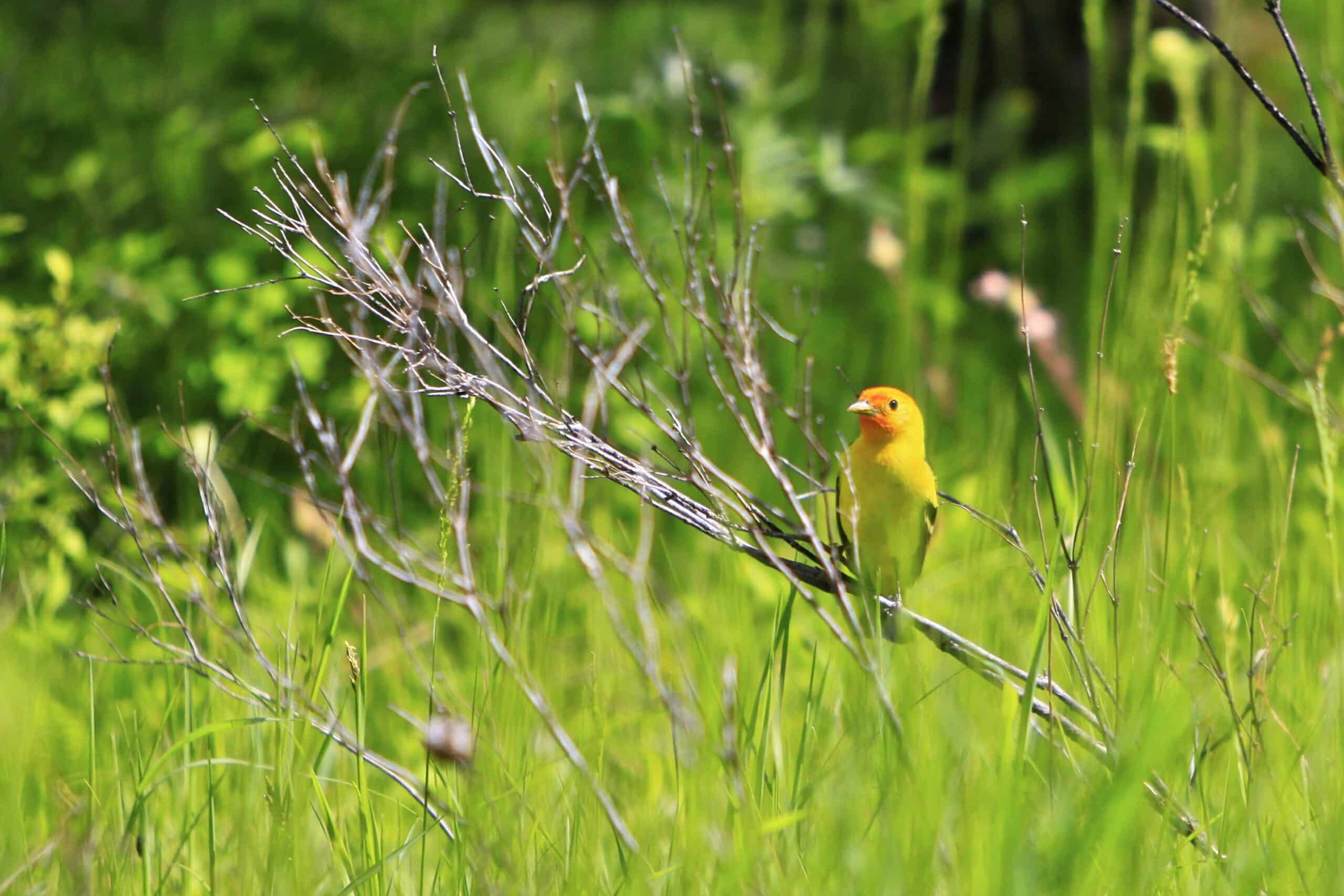
- Sky dwellers are always in residence. From nesting migratory birds along Big Creek to large raptors, like golden eagles, bald eagles, and hawks, look up toward the thermal currents on any adventure and while you travel via car or wagon to the lower ranch. Osprey are often seen fishing on our trout pond, near the lower ranch or near the Yellowstone River. Through wildlife tagging by local agencies, we’ve discovered that the male osprey that lives at the schoolhouse pasture each summer spends his winters in Mexico.
- Smaller animals, like badgers, muskrats, ermine, Martens, hares, raccoons, bobcats, and skunks frequent the trout pond and occasionally make their way across treelines as they gather food.
To round out the Montana wildlife viewing opportunities, be sure to sign up for a trip to Yellowstone National Park with our guides. Guests and staff regularly see bison, elk, and bears along the roadways and trails in America’s first national park.
The Art of Observation: Etiquette & Safety
Living and vacationing with wildlife requires a respect for their space and habitat needs. The lack of boundaries between Yellowstone National Park and Paradise Valley allows animals to move across the landscape in search of water, food, or rest. Here are some etiquette tips to respectfully enjoy wildlife while at Mountain Sky.

- Use the “Rule of Thumb” to judge appropriate distances. If you extend your thumb at arms length and it does not cover the animal, you are too close. Move away until you are able to cover the animal with your outreached thumb.
- Observe the behavioral cues of the animal. If the animal appears startled, back away slowly or keep still. Notably, if you are hiking in heavily wooded areas, you should occasionally talk to keep wildlife aware of your presence so that you don’t startle them and get too close.
- Adopt a state of quiet and stillness when observing animals from a great distance or viewing non-predator animals. Loud voices will encourage animals to move away quickly, reducing the time you can watch them. Silence, especially on your cabin’s porch or at viewing benches across the ranch, will invite them to continue their perusal of the landscape.
- Respect the home and natural inclinations of the animals. Never feed wildlife. It is both dangerous and illegal. It can encourage negative interactions with animals who are already well suited in finding the food they need from the landscape. Do not stray from marked trails when hiking or during activities. This simple act protects nesting grounds and reduces the chances of a negative interaction with wildlife.
Capturing the Moment: Beginner Photo Tips

Consider bringing a high-quality smartphone or camera with you to Mountain Sky. Chances are high that you will have a chance to photograph a number of species throughout your week here. Here are some tips for taking photos of wildlife:
- Don’t rely on digital zoom. As you zoom in, the quality will be reduced. Take your time and shoot your subject from a medium distance. You can crop the photo later to get a closer view.
- Take your camera along every golden hour. The hours before and after sunrise and sunset are prime time for wildlife watching, and the diffused light allows for the best wildlife or family photos. The warm, professional glow of the sun will provide the best environment for high quality photos.
- Consider composition. Instead of zooming in on a species, consider their environment. As you take a calm approach to viewing, you’ll have more time to compose an environmental portrait that encapsulates the natural beauty of both the animal and the landscape. You may even catch intriguing animal behavior that gives insights to their daily life.
- Patience pays off. Instead of chasing an animal to their location, pause, find a comfortable spot to sit and wait until the animal moves into a clearer line of sight. It is hard to distinguish an animal within a forested scene, but they may feel safe enough to move to a clearing if you are calm, far away and relaxed.
Stewardship: Why We Watch from a Distance
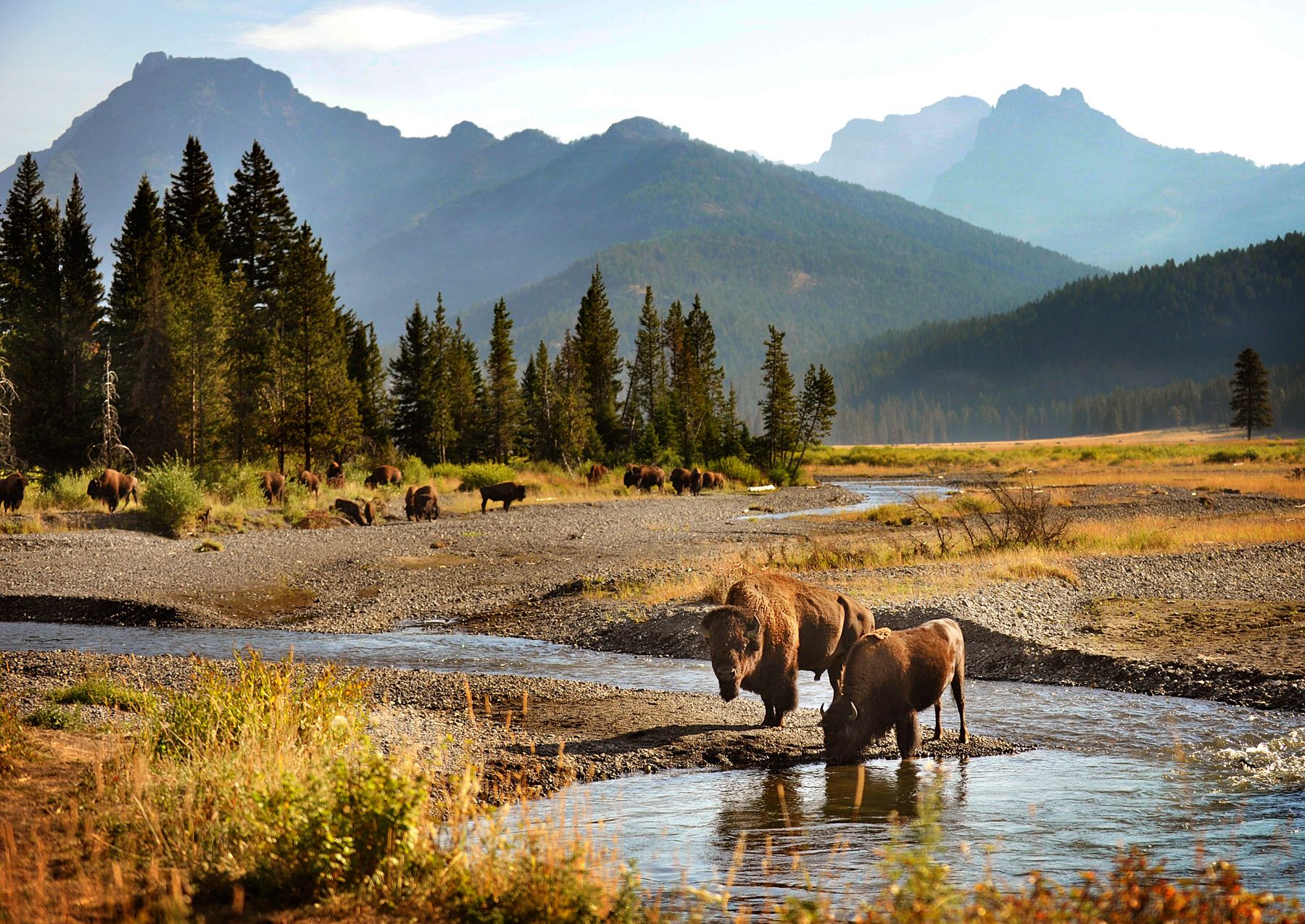
At Mountain Sky, our Land and Livestock team is hard at work considering and enacting plans that allow wildlife to better use and thrive in the landscape. From reducing water usage, to removing fencing, to working with local organizations on ways to reduce highway casualties, this is all part of being a good steward of the land. As guests at Mountain Sky, you can contribute to stewardship efforts by reducing their stress. Human proximity raises an animal’s stress hormones, which can affect their winter survival or reproduction.
Each guest is also contributing to conservation efforts through their patronage and respectful behavior. From packing out any litter you create to sticking to trails, you are preserving open corridors where animals can migrate freely and make their homes.
Every moment at Mountain Sky is a chance to view Montana wildlife in a new way. It is unlikely you will see the same wildlife every year, and your observation skills play a large role in the number of species you will see. During our almost 100 years as a dude ranch, our guests have played an important role in helping wildlife thrive and protecting the area for future generations of residents and guests.
FAQs
Q: What is the best time of day to see wildlife at the ranch? A: Dawn and dusk are the “magic hours.” Most animals, particularly elk and deer, are crepuscular, meaning they are most active during the cooler twilight hours of sunrise and sunset.
Q: Is it safe to hike alone given the wildlife? A: While many guests hike safely, we always recommend hiking with a buddy or in a group, carrying bear spray, and making noise (talking or clapping) to avoid startling animals, especially in dense brush or near running water.
Q: Can I use a drone to film the animals? A: No. Drones can cause significant stress to wildlife and are typically prohibited on ranch property and in nearby National Parks to preserve the tranquility of the environment and the safety of the animals.

